When a straight boom is the efficient choice
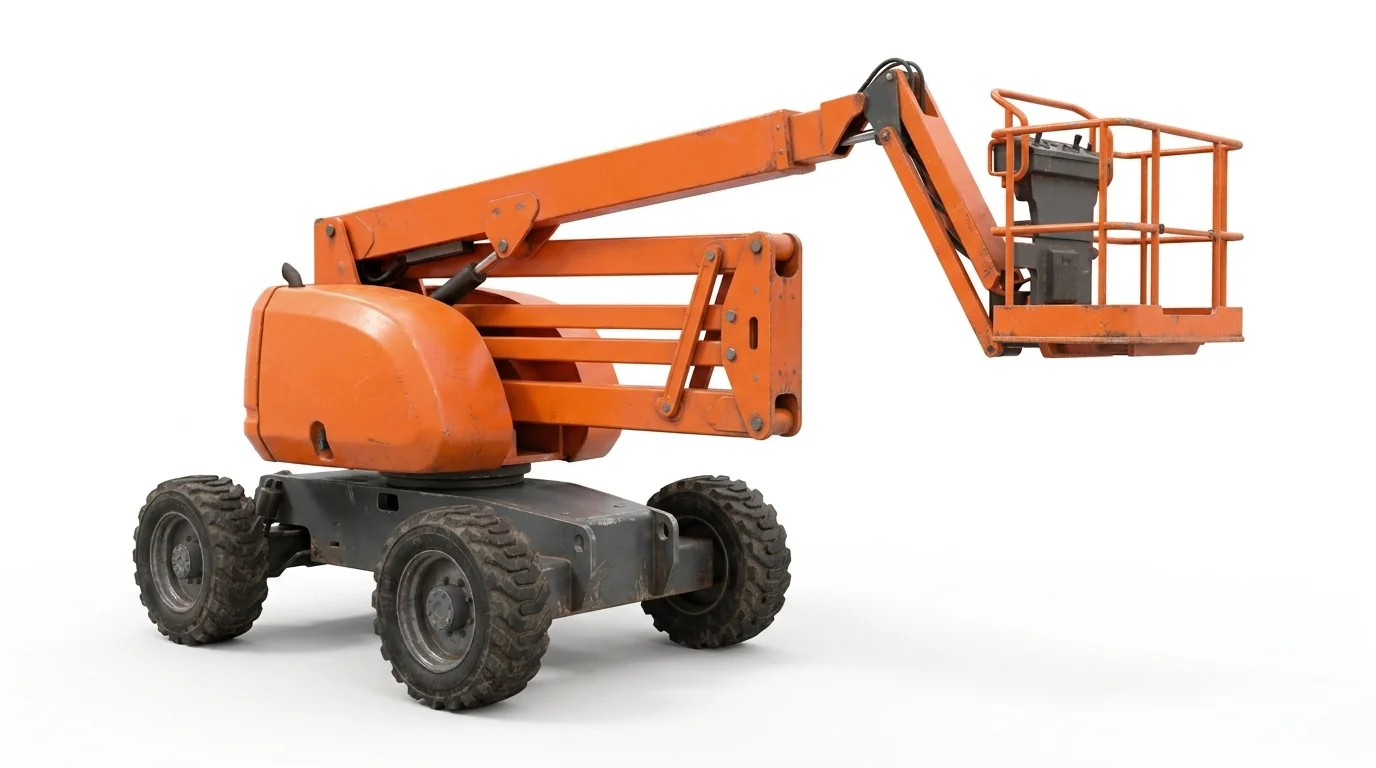
If you can face the work and extend directly, a telescopic boom provides longer horizontal reach and faster positioning than a knuckle boom. The machine should sit with a clear approach to the work face and enough swing room for counterweight and jib.
- Clear line of approach with minimal overhead obstructions favors a straight boom.
- Long reach to façades, signage, tanks, and lighting poles is the typical use case.
Columbus site realities that change the pick
Central Ohio’s clay soils can hold moisture, and repeated freeze-thaw cycles leave uneven surfaces at site entrances and laydown areas. For exterior work, rough-terrain capability and ground clearance influence whether the unit can travel between staging and the work. On windy, open lots around industrial sites, follow site procedures and the selected unit’s instructions for environmental limits.
Measurements to confirm before calling
- Maximum height and horizontal reach needed from the machine’s turret center.
- Work envelope clearance for tail swing, jib articulation, and basket rotation.
- Entry path width, grade transitions, and any temporary ramps.
- Platform capacity for tools commonly used in façade and steel work.
Power type and duty profile
Engine-powered models suit long exterior runs and uneven ground. Electric straight booms can support indoor or mixed-use tasks in ventilated spaces where emissions need control, provided charging logistics match the shift pattern.
Related categories in Columbus
- Need to reach over obstacles inside high-bay buildings? See /articulating-boom-lift-rental/.
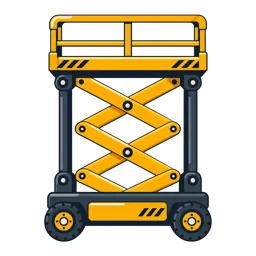
- For deck space with straight-up access, compare /rough-terrain-scissor-lift-rental/ for exterior slabs.
- Explore broader options at /boom-lift-rental/ and /aerial-lift-rental/.